
Do you have a fear of snakes? Well I am here to tell you that they are not all scary. Snakes have several good features to them. There are many misconceptions and myths about snakes. Some snakes breeds make for great pets. They are easy to keep up with and not hard to work with.
Common Misconceptions
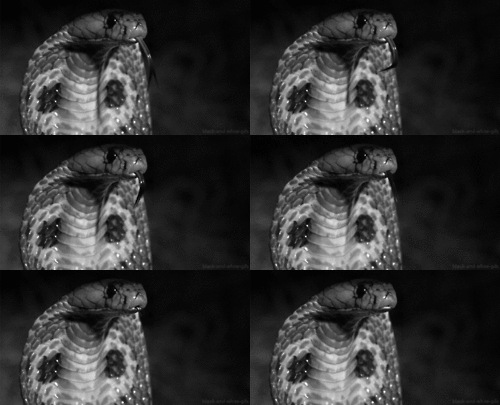
- Snakes are always aggressive. Just like any other animal, snakes are more scared of us, than we are of them. When given the right amount of time and proper care snakes will be comfortable with humans. Snakes do not like to harm unless they need to kill. They tend to coil up when scared, not when they want to eat you. Wild snakes tend to be more aggressive than domestic snakes, mainly because wild snakes are not near people as often.
- Snakes with triangular heads are venomous. This is not true at all. This thought mainly comes from the viper snake. They are known for their triangular heads, and being venomous. Although the viper is a venomous snake, there are two main breeds of snakes with triangular heads, like the viper, that are not venomous. The banded water snake and the common garter snake.
- All snakes lay eggs. As surprising as it may seem, not all snakes lay eggs. Unlike most reptiles, some snakes such as rattle snakes, garter snakes, and boas give birth to live young. This means that like other live births, the baby snakes develop within the mother and are birthed when ready.
Myths vs. Facts
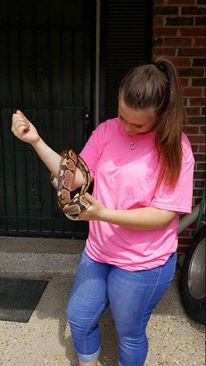
- Baby snakes are more venomous than adult snakes. This is a myth. Although baby snakes ,that are venomous, can administer venom, adult snakes can administer a lot more. People tend to believe that baby snakes are more venomous because they do not have control or because it is more concentrated. Which is simply not true.
- Snakes smell with their tongues. This is true. Although snakes have nostrils, the nostrils on a snake are only for breathing. When a snake flicks its tongue, it catches the chemicals within the air and put it in a special organ on the roof of their mouth. That is why snakes always flick their tongues. They use their tongues to smell around for food.
- Rattle snakes always rattle before striking. This is a total myth. Rattle snakes only rattle their tails to announce their presence. Their rattles are made up of dead skin they shed. As rattle snakes get older, the more they shed, making their rattle louder than a baby’s would be. Sometimes adult rattle snakes can be heard from yards away. When they strike for food, they do not want their prey to know that they are their and about to strike. They rattle to ensure that they are not prey.
- Snakes are found in every continent of the world, besides Antarctica. This would be a fact. The truth of the matter is, it is too cold in Antarctica. Snakes are cold-blooded and would die from being too cold. They would not be able to stay warm long enough to stay alive.
Do Snakes Make Good Pets?
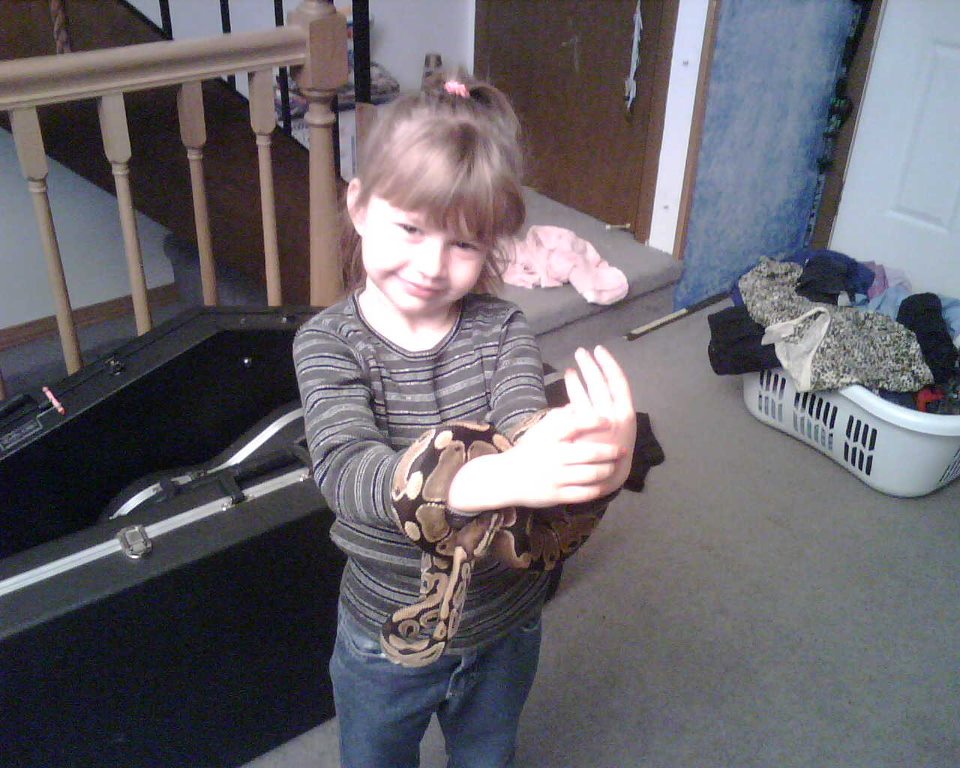
Many people believe they make good pets, including me. Having a non-venomous snake as a pet always allows for some great experiences. In my opinion, having a pet snake helps with the fear of them. I grew up with pet snakes, so I was never afraid of them. Just like any other pet snakes have their perks and downsides to being a pet. Some perks are: their easy to keep up with, they will not destroy the house, and you do not have to worry about feeding them everyday. Some of the downsides are: the equipment needed to have a pet snake can get pricey, some snakes require special knowledge, they are difficult to train, and some people find them to be boring. A snake makes a good pet when you have them for the right reasons.
Just as snakes can make good pets, they can make bad pets. One main issue with having a snake as a pet is that they have a killing cycle. Their food has to be live. Depending on the size of the snake, a mouse or a rat makes for a good meal. Another big issue is that captivity is cruel. Pet snakes are typically kept in glass tanks, which are a lot more cramped than being outdoors. Snakes also have specialized needs. They need some source of heat, whether that is a heat lamp or a hot rock. When they shed, the owner has to clean out their dead skin and just like other animals, when they poop, it has to be cleaned out. They also do not like human contact as much as other pets would. They tend to want to keep to themselves.
Grace Easley
 Ms. Harner's EN100 Blog